
Most customers can tolerate a shipping delay. What they struggle to tolerate is not knowing what’s happening.
A package that arrives two days late is often forgiven. A package that arrives two days late after several days of silence creates a very different experience. The delivery itself may be identical, but the customer’s perception of the brand can change dramatically.
This is one reason delivery communication has become a much bigger priority for e-commerce teams over the last few years.
Customers no longer expect retailers to simply provide a tracking number and disappear until the package arrives. They expect updates when something changes, explanations when something goes wrong, and reassurance that somebody is paying attention behind the scenes.
That expectation has created a growing market for platforms that help retailers communicate proactively throughout the delivery journey.
The tools below approach the challenge in different ways, but they all share the same objective: helping brands stay ahead of customer questions rather than responding after those questions appear.
1. parcelLab
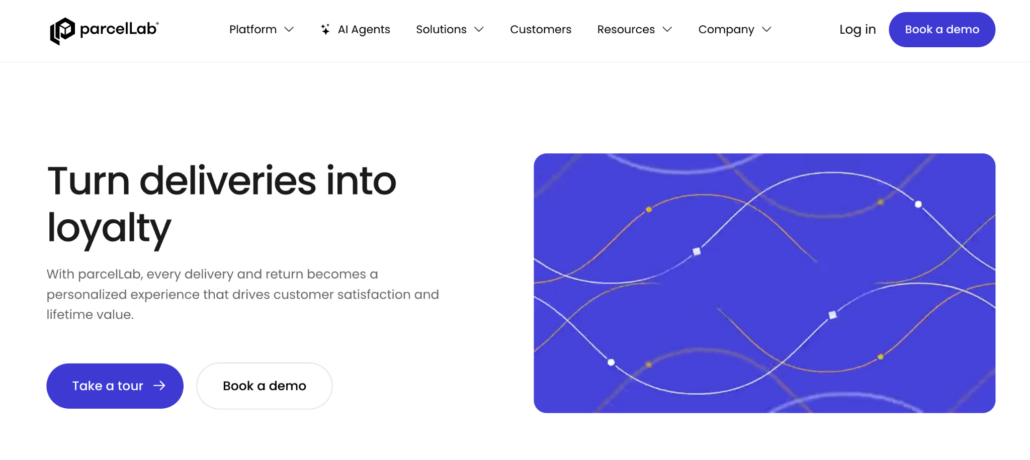
Some retailers view delivery communication as a logistics function. Others view it as part of the customer experience. parcelLab has traditionally appealed to the second group.
The platform allows brands to build communication flows around delivery milestones, shipment events, and customer behavior. Instead of relying solely on generic carrier updates, retailers can create experiences that feel more intentional and more relevant to what customers are actually experiencing.
That flexibility has made parcelLab a popular option among brands that place significant emphasis on customer engagement after checkout.
Capabilities commonly include:
- Personalized delivery communication
- Delivery milestone messaging
- Customer engagement workflows
- Multi-channel communication
- Branded post-purchase experiences
- Post-purchase analytics
For brands that see every delivery update as an opportunity to strengthen customer relationships, communication often becomes just as important as the shipment itself.
2. WISMOlabs
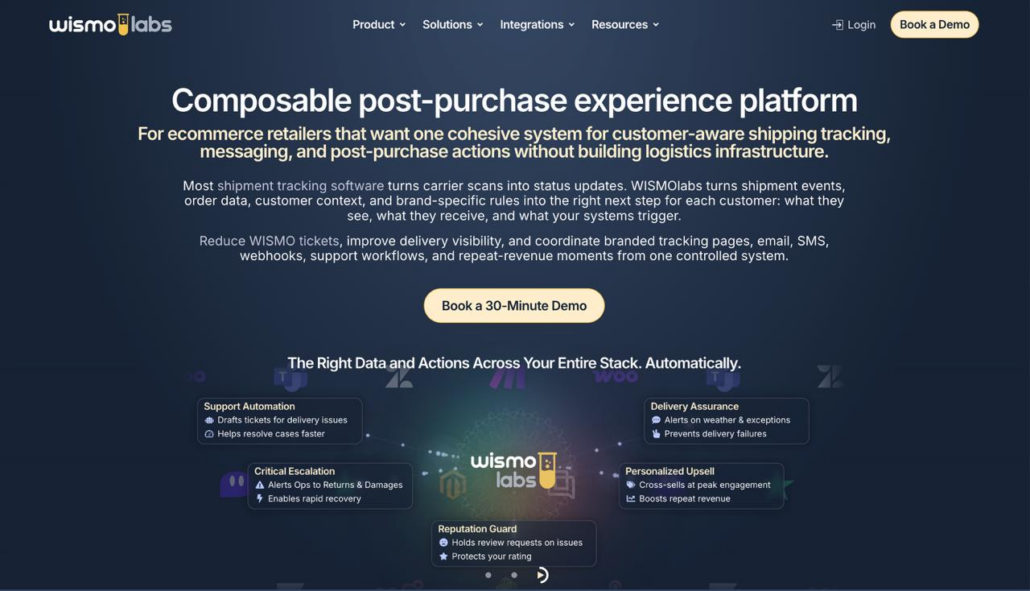
One easy way to generate avoidable support tickets is simply leaving customers alone with a confusing tracking page when something goes off track. Most delivery questions actually surface long before someone emails support – a shipment stops updating, the delivery date shifts unexpectedly, failed deliveries, or a carrier exception appears that doesn’t make sense to the average person. That’s when uncertainty sets in, and people start wondering what’s happening with their order.
WISMOlabs was built to help in exactly these moments. Rather than waiting for customers to reach out, it helps brands communicate proactively from checkout through delivery and follow-up. It works as a contextual communication layer, not just a basic tracking tool. That means messages can account for the shipment status, carrier activity, delivery exceptions, order details, customer context, destination, and brand-specific rules before deciding what to send. The result is communication that fits the situation.
The system can triggers relevant notifications for shipment activity, delays, exceptions, and delivery milestones. Through real-time carrier integration, exception handling, and branded experiences, it helps retailers reduce support volume, cut down on WISMO inquiries, and maintain better control over the entire delivery process.
Even better, communication feels personal. Instead of sending identical updates to every customer, the platform combines multi-carrier tracking data with order details, customer history, and other context to deliver the right message at the right time.
Features include:
- Intelligent shipment notifications
- Delivery exception communication
- Branded tracking pages
- Self-service order lookup
- Multi-carrier shipment tracking
- Customer engagement reporting
- Support for 750+ carriers
- Real-time carrier synchronization
- Context-aware communication powered by order data, customer history, shipment behavior, and carrier events
For many retailers, proactive communication becomes less about sending more messages and more about sending the right message at the right time. By turning logistics events into contextual customer communications, WISMOlabs helps customers stay informed while giving retailers more visibility and control throughout the delivery process.
3. Narvar
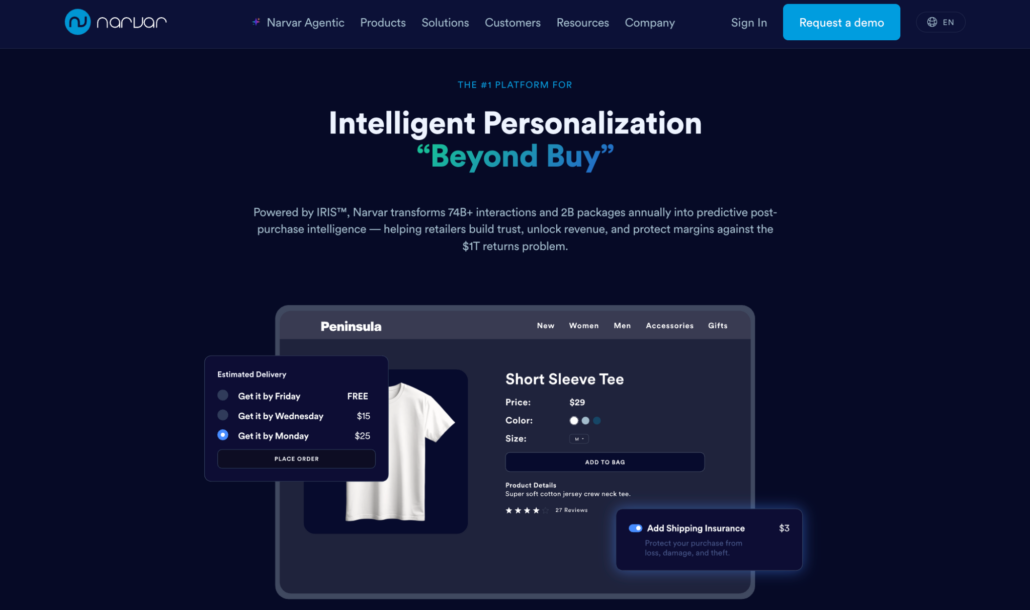
Communication becomes more complicated as retail operations grow. A small ecommerce brand may only need a handful of delivery notifications. A larger retailer often needs communication that remains consistent across shipments, returns, customer service interactions, and multiple customer touchpoints.
That is one reason Narvar is frequently discussed in conversations about enterprise post-purchase experiences.
The platform combines delivery visibility with customer communication tools that help retailers manage interactions throughout the post-purchase journey. Rather than treating delivery updates as isolated messages, Narvar places them within a broader customer experience framework.
Capabilities include:
- Delivery communication tools
- Customer notifications
- Order visibility
- Returns management
- Multi-channel messaging
- Enterprise integrations
For larger organizations, communication often works best when it feels connected rather than fragmented.
4. Wonderment
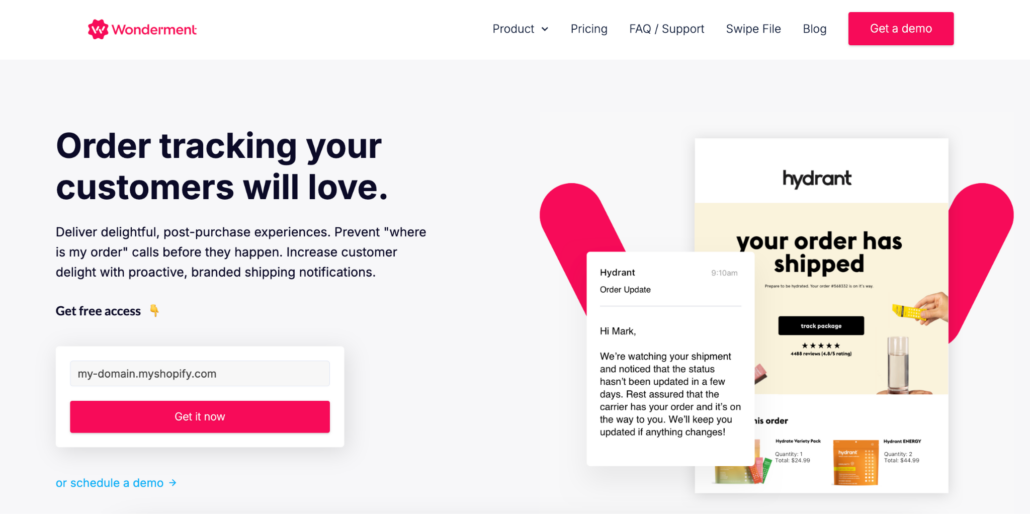
Customers do not always need more updates. Sometimes they simply need better ones.
A surprising number of delivery questions come from customers who have already received notifications but still feel unsure about what those notifications actually mean. Confusion often creates as many support requests as silence.
Wonderment focuses heavily on making delivery information easier to understand. The platform helps retailers present shipment updates in a way that feels clear, accessible, and useful without overwhelming customers with excessive detail.
Features frequently highlighted include:
- Delivery notifications
- Real-time order visibility
- Customer-friendly tracking experiences
- Shopify integrations
- Post-purchase communication
- Support ticket reduction
For many brands, improving communication starts with improving clarity.
5. Malomo
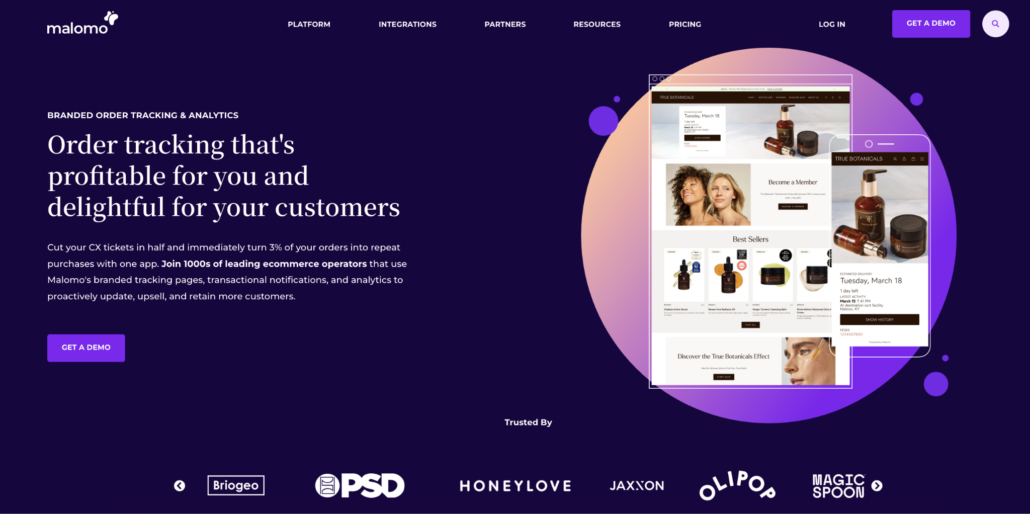
Retailers often spend significant time thinking about emails and marketing campaigns while overlooking one of the places customers visit most often after making a purchase. The tracking page.
Customers return to tracking pages repeatedly while waiting for deliveries, especially when an order is important or time-sensitive. Malomo was built around the idea that those visits create opportunities for communication rather than simply displaying shipment status.
The platform helps brands create tracking experiences that continue the conversation after checkout instead of sending customers away to carrier websites.
Capabilities commonly associated with Malomo include:
- Branded tracking pages
- Customer engagement tools
- Post-purchase communication
- Product recommendations
- E-commerce integrations
- Retention-focused experiences
For brands that want communication to continue throughout the delivery journey, tracking pages can become much more valuable than many retailers initially realize.
What Good Delivery Communication Actually Looks Like
Many retailers assume proactive communication means sending more messages.
In practice, customers rarely ask for more notifications. What they want is communication that feels useful. A message that explains a delay is often more valuable than three messages that simply repeat shipment status updates.
The strongest delivery communication strategies usually focus on relevance rather than volume. Customers receive information when something changes, when action is required, or when additional context would help them understand what is happening with an order.
Why Silence Creates Problems
Most support teams have seen the same pattern play out repeatedly. A shipment experiences a delay. No communication is sent. Customers begin checking tracking pages more frequently. Eventually, they contact support because they feel uncertain about what is happening.
The delay itself may not have been avoidable. The confusion often was. That distinction helps explain why proactive communication continues to receive so much attention from e-commerce brands. Customers are generally more understanding when they feel informed throughout the process.
The Messages Customers Actually Remember
Months after a purchase, customers rarely remember the exact wording of a delivery update.
What they remember is whether the brand kept them informed when it mattered. They remember whether somebody acknowledged a delay, whether expectations felt clear, and whether they spent days wondering what was happening with their order.
That is ultimately why proactive delivery communication matters. The goal is not to send more notifications. The goal is to remove uncertainty before it turns into frustration.