
A lot of people like the idea of speaking another language far more than they enjoy live language classes themselves.
The problem is not always the language. Sometimes it is the atmosphere around the learning process. Group lessons can feel uncomfortable very quickly, especially for learners who need more time to answer questions or who get nervous once they know other people are listening carefully.
Some learners stop speaking the moment they feel rushed. Others overthink pronunciation so much that even simple conversations become stressful. There are also people who understand a decent amount already but still avoid speaking because they hate the feeling of making mistakes publicly.
That is partly why self-paced speaking apps became so popular. They give learners room to practice privately without classroom pressure, sitting in the background the whole time. People can repeat phrases several times, pause when needed, restart conversations, and slowly build comfort without feeling judged every few seconds.
A lot of learners end up speaking more once that pressure disappears.
1. Speak
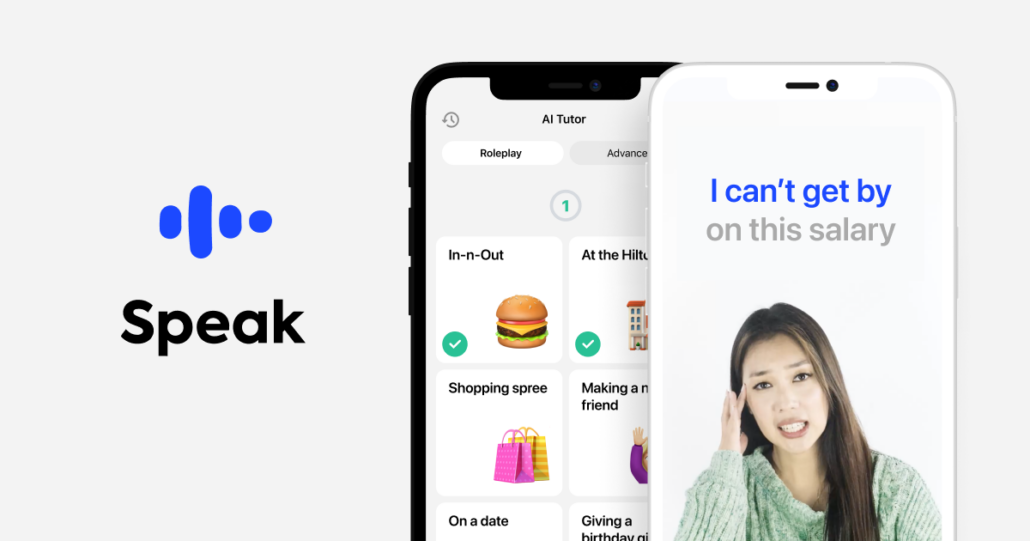
Speak is built around AI conversation practice, which makes the platform especially useful for learners who avoid live classes because speaking in front of people feels intimidating.
The app keeps users talking regularly, but the interaction stays private and self-paced instead of socially demanding.
The platform includes:
- AI conversations
- Real-time speaking practice
- Pronunciation feedback
- Conversation simulations
- Interactive dialogue exercises
One reason learners often stay consistent with Speak is that mistakes stop feeling dramatic once there is no classroom watching the conversation happen.
People usually experiment more once embarrassment disappears from the process. They answer more freely, try longer sentences, and stop obsessing over every small grammar mistake before speaking.
The app also encourages faster conversational reactions instead of perfect sentence construction every time. That helps learners become more comfortable responding naturally instead of mentally translating everything first.
For users who want regular speaking practice without social pressure attached to it, Speak feels much easier to use consistently than live group classes.
2. Promova
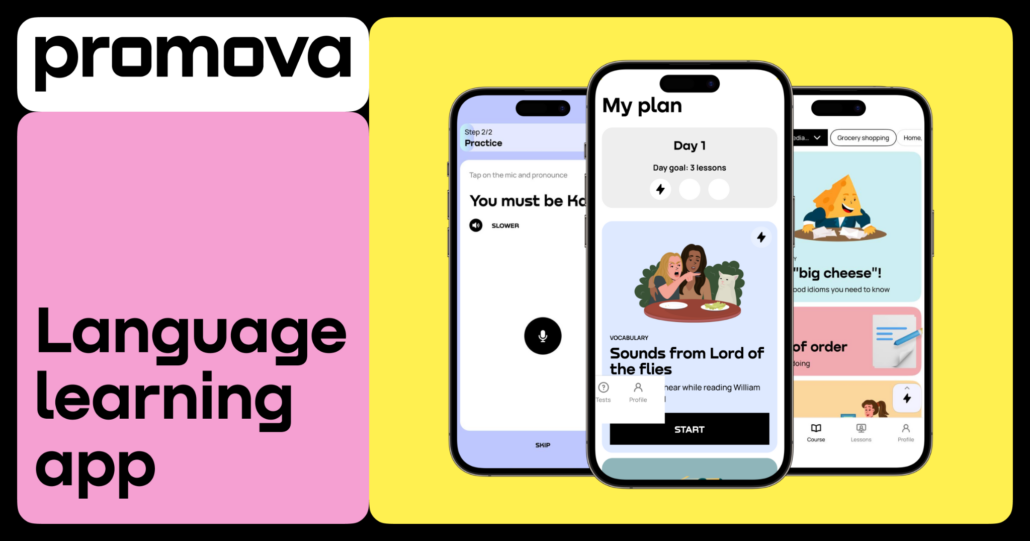
Promova, a language learning app for people who want to speak, is designed around structured self-study and AI speaking practice, but one of the biggest advantages of the platform is how comfortable the speaking experience feels for learners who dislike live classroom environments.
Instead of forcing users into stressful group interaction immediately, the platform builds speaking habits gradually through guided communication exercises, AI conversations, pronunciation practice, and roleplay situations that feel manageable even for nervous learners.
The platform includes:
- AI tutor interactions
- AI role-play conversations
- Speaking-focused exercises
- Pronunciation support
- Shadowing lessons
- Public speaking content
One thing the platform handles especially well is repetition without embarrassment.
A lot of learners already hear English constantly through social media, movies, work meetings, podcasts, gaming, or YouTube. The problem usually is not understanding basic phrases. The difficult part comes later when somebody expects a response immediately.
Promova keeps learners speaking regularly in lower-pressure situations first.
Users answer prompts, repeat conversational patterns, practice pronunciation, and slowly become more comfortable hearing themselves speak without feeling exposed in front of other people.
The platform also pays much more attention to accessibility than many language apps.
Promova includes:
- Dyslexia Mode 2.0
- White Noise Mode for ADHD learners
- Flexible lesson pacing
- Cleaner reading layouts
That calmer setup changes the experience more than people often expect. Some apps feel mentally crowded after twenty minutes. Promova feels easier to stay inside because the lessons are not constantly fighting for attention.
The platform also offers learning paths outside standard beginner material, including:
- English for Public Speaking
- Neurodiversity in the Workplace
- American Sign Language (ASL)
- English-to-English lessons
- Shadowing-based speaking exercises
Promova currently supports English, Spanish, French, German, Italian, Korean, Japanese, Chinese, Portuguese, Arabic, and Ukrainian.
For learners who want speaking practice without classroom tension, the platform feels very approachable.
3. ELSA Speak
ELSA Speak focuses mainly on pronunciation and verbal clarity.
A lot of learners avoid speaking, not because they lack vocabulary but because they feel uncomfortable with the way they sound. Live classes often make that anxiety worse because pronunciation mistakes suddenly feel very public.
The platform includes:
- Pronunciation analysis
- Accent improvement exercises
- Speaking repetition
- AI speech feedback
- Listening and pronunciation drills
ELSA changes the experience by making pronunciation work private and repeatable.
Learners can practice difficult sounds as many times as necessary without worrying about slowing down a class or feeling awkward in front of strangers. That freedom matters more than people expect because repetition becomes much easier once there is no embarrassment attached to it.
The app also gives detailed feedback that helps users notice smaller pronunciation habits affecting clarity. Instead of simply marking answers right or wrong, the platform shows learners where speech patterns need adjustment.
For people who feel nervous about pronunciation specifically, ELSA often feels far less stressful than classroom speaking exercises.
4. Duolingo
Duolingo still leans heavily into gamified learning, but the platform has expanded its speaking features quite a bit over the last few years.
The app now includes:
- Speaking exercises
- AI conversation tools
- Pronunciation tasks
- Interactive dialogues
- Listening-based activities
One thing Duolingo does well is making speaking practice feel emotionally light.
The lessons are short, approachable, and low-pressure. Learners can complete speaking exercises privately without feeling like every mistake matters. That helps beginners, especially because many people avoid speaking simply because the experience feels too emotionally heavy too early.
The platform also works well for building repetition habits. Users return regularly because the exercises feel manageable even on days when motivation is inconsistent.
At some point, many learners combine Duolingo with more conversation-focused tools later, but as an easy entry point into regular speaking practice, the platform remains very effective.
5. Mondly
Mondly approaches speaking practice through AI chatbot conversations and shorter communication scenarios designed around familiar situations.
The platform includes:
- Chatbot conversations
- Speech recognition tasks
- Pronunciation exercises
- Listening activities
- Conversation scenarios
A lot of the conversations revolve around situations learners immediately recognize from everyday life. Travel questions, restaurant dialogue, workplace interaction, hotel communication, social conversations.
That practical structure helps speaking feel more connected to reality instead of textbook exercises.
Mondly also keeps interactions fairly short, which lowers the emotional pressure around mistakes. Learners answer, continue moving through the lesson, and gradually become more comfortable reacting verbally without overthinking every sentence.
For learners who dislike the intensity of live speaking classes, that softer structure feels much easier to handle.
6. Memrise

Memrise approaches speaking confidence differently from many AI-heavy apps.
Instead of focusing mostly on chatbot simulations, the platform exposes learners to large amounts of natural spoken language through native speaker videos and conversational phrase repetition.
The platform includes:
- Native speaker video clips
- Conversational phrase repetition
- Pronunciation practice
- Listening-focused exercises
- Speaking review tasks
One reason learners often feel relaxed using Memrise is that the platform does not create the feeling of performing publicly.
Nobody expects immediate, perfect responses. Users spend time listening, repeating phrases privately, adjusting pronunciation, and slowly getting used to conversational rhythm through exposure.
That slower buildup helps many learners become more comfortable with spoken language before entering real conversations later.
The app also exposes users to more casual speech patterns much earlier than many traditional classroom systems, which makes listening feel more natural over time.
7. Busuu

Busuu combines self-study with communication-focused exercises while still letting learners control how quickly they participate.
The platform offers:
- Speaking exercises
- Dialogue activities
- Pronunciation practice
- Vocabulary lessons
- Grammar review
- Community corrections
Unlike live classroom environments, Busuu allows learners to participate more gradually. Users can practice independently, submit exercises when they feel comfortable, and receive corrections without speaking publicly in front of a group.
That flexibility makes the platform feel much safer for learners who struggle with speaking anxiety in traditional classes.
The app also keeps lessons relatively organized and predictable, which helps learners focus on communication instead of feeling distracted by chaotic lesson structures. For people who want speaking practice without jumping immediately into live interaction, Busuu creates a comfortable middle ground.
A lot of speaking anxiety has very little to do with grammar
Many learners assume they need more vocabulary before conversations become easier. Very often, the bigger issue is emotional pressure. Live classes force people to process language publicly. Learners worry about pauses, pronunciation mistakes, slow reactions, or sounding less fluent than everybody else in the room. That pressure changes behavior immediately.
Some learners stop participating. Others simplify every sentence to avoid mistakes. Some avoid speaking completely, even though they understand far more than they use.
Platforms built around self-paced speaking practice remove a large part of that tension. The learner gets space to experiment privately instead of feeling watched constantly.
Repetition becomes easier once embarrassment disappears
One thing speaking apps understand very well is that learners improve faster once practice stops feeling emotionally uncomfortable.
People repeat difficult pronunciation patterns more willingly once nobody is judging them. They restart conversations more often. They experiment with longer answers instead of choosing the safest possible sentence every time.
That freedom naturally increases speaking repetition.
And speaking confidence usually grows through repetition more than through studying explanations about speaking.
Eventually, the learner stops thinking so much about every sentence and starts reacting more naturally.
More learners want quieter ways to practice speaking
Not everybody enjoys classroom energy. Some people like group interaction immediately. Others find it exhausting from the beginning. That difference explains why self-paced speaking apps continue growing so quickly.
A lot of learners want conversation practice without scheduling pressure, classroom attention, or the stress that comes with speaking publicly before they feel ready.
The strongest platforms understand that communication confidence develops differently for different personalities.
Some learners improve fastest through direct live interaction. Others need private repetition first. Both approaches work. The important part is finding an environment where speaking actually happens consistently instead of becoming something the learner keeps postponing.